Shannon Taylor
CEO/Publisher
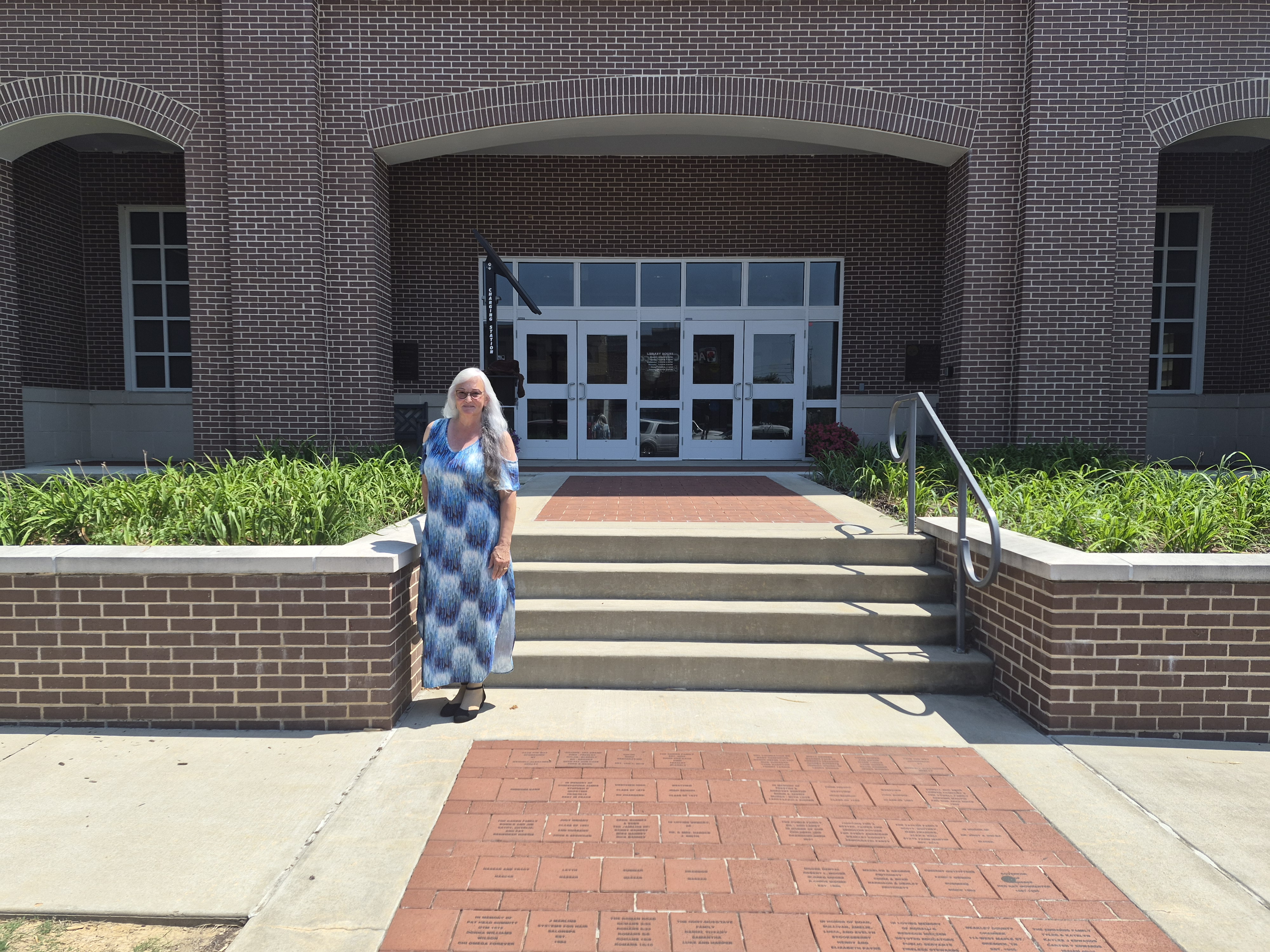
For four years, Lori Miles sat in the audience and watched Martin’s government work. Sometimes, she said, she was the only resident in the room. Other times, two people accompanied her. She listened as agendas moved quickly, officials voted and meetings ended before many residents even knew what had been discussed.
Miles estimates she has attended approximately 96 formal and informal Martin Board of Mayor and Aldermen meetings, missing only a handful. Now, after years of watching decisions being made from the audience, she wants a seat at the table.

Miles is seeking election as Ward 1 alderwoman against David Hart and Tony Prince in the November municipal election.
“I’ve never run for anything,” Miles said. “I’ve never even run for prom queen.”
Her decision to run did not begin with a single controversy or one meeting that pushed her over the edge. It grew from years of watching how the city conducted business and becoming increasingly frustrated with what she described as a growing distance between the board and the people it was elected to represent.
Miles said she watched public participation move from open comments to a sign-up sheet and eventually to an online registration requirement. She watched residents attend meetings without access to the same documents officials had in front of them. She also watched agendas appear without enough detail for the public to understand what the board was preparing to discuss.
“You didn’t know what was going to be talked about,” Miles said. “People would be more interested if they knew what the topic was. They have to have that choice.”
Miles said that if elected, she would publicly share meeting agendas and make copies of supporting documents available to residents attending meetings, even if she had to pay to print them herself.
“There is so much that gets handed to them, and we don’t get it,” Miles said. “We’re sitting there wondering what they are reading, what they have access to and what decision they are making based on something we don’t have.”
That insistence on asking questions comes from a life spent moving, adapting and investigating.
Miles was born in Little Rock, Arkansas, and raised in a military family. She later married a Marine who served for 24 years. Their military life took them across the United States and to Guam, Hawaii and the Philippines.
The constant moves made it difficult for Miles to establish an uninterrupted career, but they also gave her experience in several fields. She has worked in accounting for approximately 28 years, assisted with programs connected to a governor’s budget and finance letters, served as an associate director of a beauty college, operated a licensed home daycare and attended nursing school.
After her husband retired from the military, Miles said it was finally her turn to establish a career of her own. She became a special investigator, working alongside district attorneys’ offices and participating in undercover operations and joint investigations involving agencies that included the Department of Justice, the Department of Insurance, OSHA and an employment development department. The work shaped the way she approaches both politics and public information.
“Question everything and dig deep to find the answers,” Miles said. “When I heard an allegation, my job was to find the evidence and determine whether that violation actually happened.”
That career also taught her when to speak and when to listen, she said. It is a habit she has carried into city meetings, where she often watches and takes notes even when she does not address the board. Miles and her husband eventually began searching for a place where they could care for her mother, who had dementia, while building a more permanent life after years of military moves. When people ask why they chose Martin, Miles offers a different answer.
“I like to think Martin chose us,” she said.
Miles and her husband now co-own Fibrenew Northwest Tennessee, a small business operating in Martin. She also serves as chief financial officer for the Northwest Tennessee Eagle Riders, a nonprofit organization that supports veterans and their families, and she serves on the City of Martin Finance Committee.
Her years of moving also made her familiar with the question she now hears as a candidate: Is she really from Martin?
Miles does not avoid the fact that she was not born or raised in the city. She also does not accept the idea that a person must have generations of family history in Martin to care about its future.
“I live here,” Miles said. “I am one of us.”
To Miles, Martin’s identity does not come from its buildings, its downtown district or even the University of Tennessee at Martin.
“The heart of Martin isn’t downtown,” she said. “It isn’t UTM. It’s the people of Martin.”
That belief sits at the center of her campaign. Miles said residents should not have to wait until a controversy erupts before learning how their government operates. She believes aldermen should ask questions before approving expenditures, contracts or policy changes. Those questions should include whether an expense is in the budget, what taxpayers will receive, whether proper purchasing procedures were followed, what long-term obligations the city will assume and whether conflicts of interest exist.
“An alderman has real oversight responsibilities,” Miles said. “It is asking hard questions of department heads and the city manager, reviewing city finances, making sure policies are followed and not just voting yes.”
Miles said Martin needs additional housing, more business development and a stronger sense of community. She supports creating more starter homes for young families, expanding affordable apartment options, encouraging the renovation of vacant and aging properties and developing partnerships between the city and private landowners.
She also wants Martin to simplify the process for prospective businesses by creating one point of access for zoning, utilities, permits, inspections and economic development. Instead of relying solely on large retailers, Miles believes Martin should recruit more midsized businesses capable of building the city’s tax base without placing additional pressure on property owners.
“We need to bring in businesses, let them gain revenue and help us keep from raising property taxes,” Miles said. “We don’t need property taxes raised any more than they already have been.”
Miles said incentives should be tied to measurable results, including job creation, affordable housing and the redevelopment of underused properties. However, she does not believe growth should come at the expense of established neighborhoods.
After driving through Scenic Hills, Miles said she considered how she would feel if the same rezoning questions surrounded her own home. She believes the city should explore development opportunities around existing neighborhoods before changing the character of areas residents have already established.
“We want growth, but not to the detriment of a well-established community,” Miles said.
Miles also opposes selling the C.E. Weldon Public Library building, which she described as an important piece of Martin’s history. She believes the building could be repurposed to generate revenue or provide additional public space.
Among the possibilities she raised were rotating art exhibits, a visitor information office, a small café, training rooms, meeting spaces or even a future City Hall. She also pointed to residents who have expressed a willingness to donate labor and services to help bring the building into compliance with current codes.
“It is completely paid for,” Miles said. “It is Martin’s history, and we need to keep it that way.”
As Martin transitions to a city manager form of government, Miles agrees with residents who believe the incoming board should participate in selecting the person who will hold that position. She said the city manager should understand municipal finances, infrastructure and development while also possessing the ability to work with elected officials, department heads and the public. Transparency and accountability, she said, must be central to the job.
Miles has also taken a position against installing Flock license plate-reading cameras in Martin. Her opposition does not come from unfamiliarity with the technology. Miles said license plate readers were used during one of the undercover operations in which she participated. In that controlled investigation, the cameras allowed investigators to identify vehicles and determine whether the arriving individuals were connected to suspected violations.
In that setting, Miles said, the technology served a specific investigative and safety purpose. She does not believe Martin has demonstrated a comparable need that would justify the expense or the collection of residents’ vehicle movements.
“Our movements should not be monitored unless we are suspected of violating the law,” Miles said. “For a small city like Martin, I don’t believe there is a need for them.”
Miles said her campaign is not built around the belief that every resident must agree with her. It is built around the belief that every resident deserves to be heard, including people who cannot vote but still live, work, own businesses and raise families in Martin.
She recalled speaking with neighbors who are in the United States on work visas and cannot vote in the municipal election. Miles told them that their inability to cast a ballot did not make the city’s decisions any less important to their lives.
“You live in my ward,” she told them. “Your voice still matters because what this board decides is going to affect you.”
Miles knows that running for office places her background, beliefs and record before the public. That scrutiny does not bother a former investigator who built a career around examining evidence. What bothers her is the possibility that Martin residents could continue believing their voices do not matter.
For four years, Miles watched city government from the audience. She saw meetings with rows of empty chairs, decisions made with little public discussion and residents struggling to understand what had already happened. Now she is asking Ward 1 voters to move her from one of those chairs in the audience to a seat on the board. Not because she believes elected officials should always get their way, but because she believes they should remember whose way they were elected to represent.
“We need to get back to being the City of Martin for the people of Martin,” Miles said. “Their livelihood, their business, their house, their home and their family are what make this city.”
Early voting for the Nov. 3 municipal election begins Wednesday, Oct. 14, and continues through Thursday, Oct. 29. Election Day is Tuesday, Nov. 3
Make a one-time donation
Make a monthly donation
Make a yearly donation
Choose an amount
Or enter a custom amount
Your contribution is appreciated.
Your contribution is appreciated.
Your contribution is appreciated.
Leave a Reply